Technology

Our harness. Our models.

This is the technology inside every Piqoid robot: an AI harness that turns spoken descriptions and phone photos into working robot programs — and our own VLA models, running on the robot, that execute tasks with vision and dynamic replanning.

The Piqoid harness

Talk to it. Show it a photo.
It writes the program.

The harness is how a Piqoid robot gets programmed — no teach pendant, no code, no CAD. It carries the machine knowledge of every task it has seen, so a new task starts from experience, not from zero.

Step 1

Voice + photo in

The task is described in speech; the workspace is scanned with a phone.

Step 2

VLM + LLM understand

Our models understand the scene, decompose the task, and capture the shop-floor rules that are written down nowhere.

Step 3

Task graph out

A step-by-step plan: classical planning + distributed controllers + arm. Paths are inspectable and verified — safety you can read, not hope for.

Step 4

RL where contact is dynamic

Bin picking, welding, cutting — wherever contact is dynamic, a learned policy takes over execution.

Our models

Piqoid VLA.
Vision-language-action,
on the robot.

Our proprietary VLA models run on edge compute inside the robot — no cloud dependency, no latency excuses on the floor. They see the task, execute it, and replan dynamically when the part, the fixture or the machine doesn't behave as expected.

Runs onEdge compute on the robot — works offline, in dust, on unstable power
ArchitectureMixture-of-tasks/experts: each task policy slots in as an expert, so tasks never compete for capacity
VisionFrozen vision backbone — we finetune only the action side: stable, cheap, verifiable
BehaviourDynamic replanning under contact: the policy senses the actual workpiece and adapts mid-task
SensorsJoint torque, current draw, contact timing, controller telemetry — chosen for what the models need to learn
VLA · on-robot
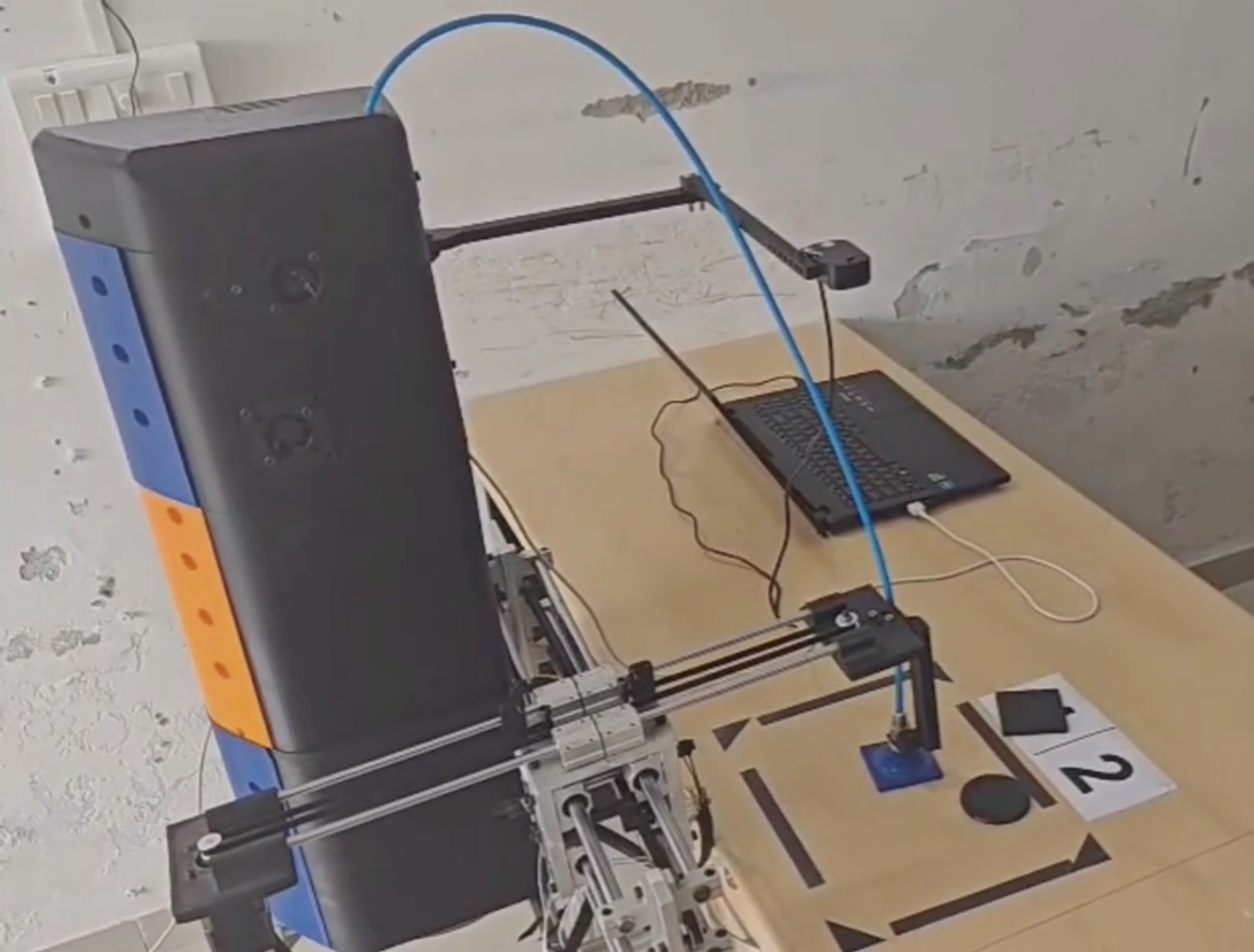
Piqoid VLA running a vision task vision-language-action · live
How we train

Self-play in sim, so our models are embodiment-adapted.

We don't train our models on videos of humans. We train them in simulation, on our own arm — task policies learn by self-play across massively parallel environments, then transfer to the real robot. The result: models that are adapted to this hardware by construction, not adapted to the human form and asked to pretend they have opposable thumbs.

Sampling at the frontier

Every batch of experience counts

Training concentrates on task configurations at the edge of the policy's ability — the ones it gets right only some of the time — instead of wasting experience on what it has already mastered or can't yet attempt. This is what makes large-scale self-play practical.

Scale in parallel

Millions of parallel environments

Simulator-reset-based RL at massive parallel scale has been shown to solve contact-rich assembly and challenging locomotion that earlier pipelines couldn't — without hand-shaped rewards or demonstrations for every task.

Sim → real

Distilled to vision, transferred to hardware

Learned policies distill into compact vision-based policies that transfer zero-shot to real hardware — the same pattern we use to move a task from our sim to your floor.

our arm · our sim
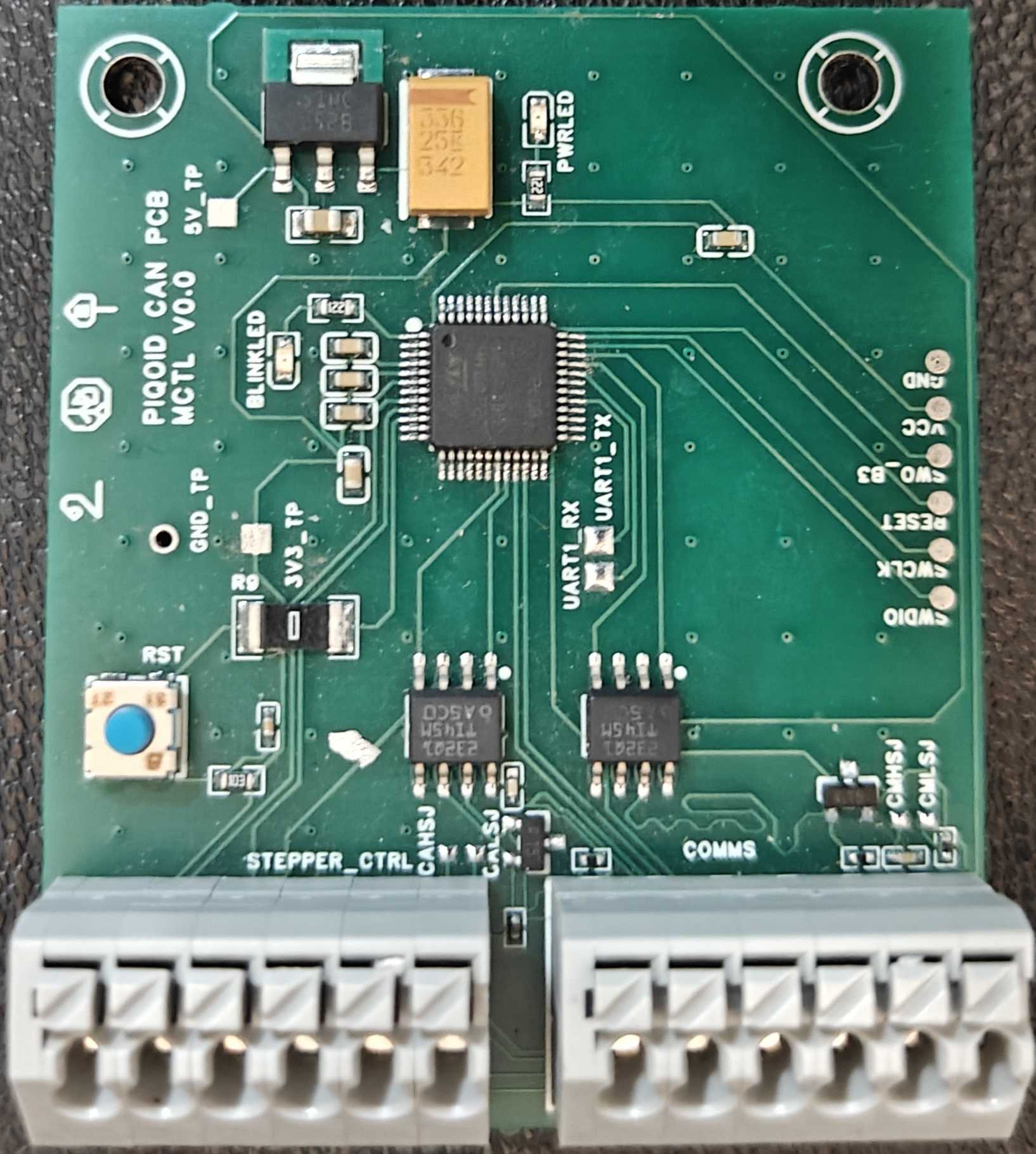
On-robot compute and control electronics in-house electronics · edge compute
Where this is going

Unstructured 3D metal cutting & welding.

Welding and cutting are exactly where robots struggle outside labs: parts aren't fixtured to tolerance, fixtures move, heat distorts. Our VLA senses the actual workpiece, plans the path, and replans as conditions change — the same harness, a new task expert slotting in.

metal cutting · sim
auto-calibrated metal cutting sim · real cuts coming soon
Technical deep-dives

We write about the stack on the blog.

Edge VLAs, self-play training, self-enumerating controllers, and field notes from deployments.